
Buying your first home is one of the biggest financial milestones of your life — but many new buyers don’t realize that choosing the wrong insurance policy can leave them exposed at exactly the moment they need protection most. Here’s what you need to know, and why working with a licensed local agent makes all the difference.
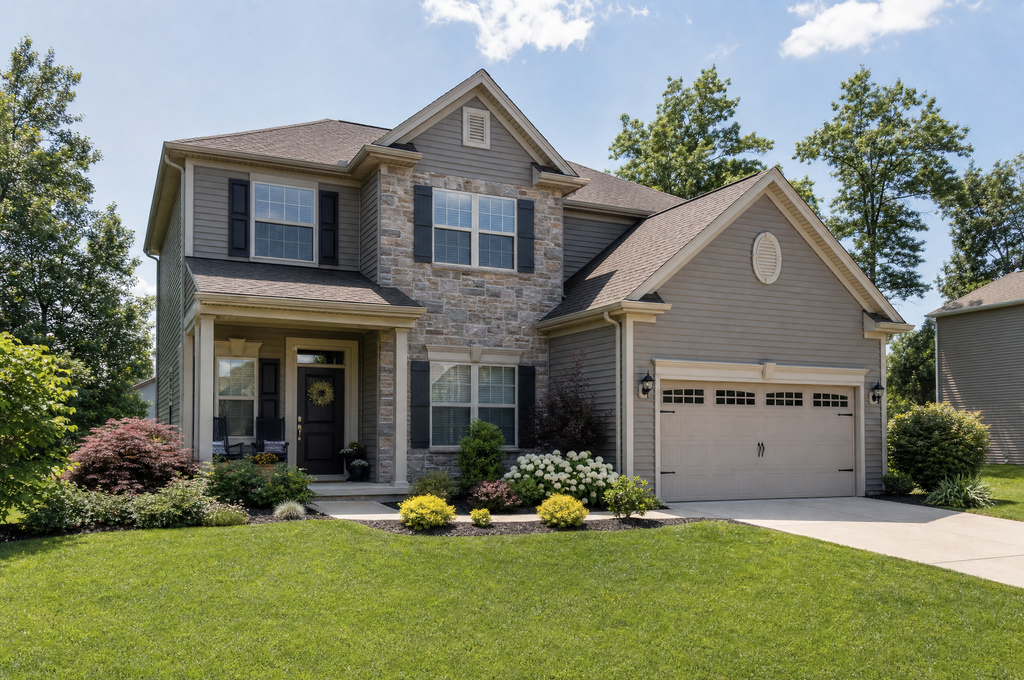
Congratulations — you’re buying your first home! After months of saving, searching, and navigating the mortgage maze, you’re finally getting the keys. But somewhere between signing stacks of paperwork and packing boxes, a critical step often gets rushed: choosing your homeowners insurance.
For most first-time buyers, insurance feels like a checkbox — something the lender requires before closing. You find the cheapest policy online, click “buy,” and move on. And honestly? That instinct makes sense. You’re exhausted, your budget is stretched, and insurance feels abstract — you hope you’ll never need it anyway.
But here’s the hard truth: not all insurance policies perform the same way when it matters most. A policy that looks fine on paper can fall dramatically short at claim time. And first-time buyers, who are least familiar with how coverage actually works, are the most vulnerable to this gap.
This article is your no-jargon guide to why homeowners insurance is more complex than it looks — and why having a licensed local agent in your corner is one of the smartest moves you can make.
Insurance isn’t a product — it’s a promise
When you shop for a car or a TV, you’re buying something you can see, touch, and evaluate right away. Insurance is different. You’re buying a promise — a legal contract that says “if something bad happens, we’ll help make it right.” The problem is, the details of that promise are buried in dozens of pages of policy language that most people never read.
Coverage terms like “replacement cost vs. actual cash value,” “ordinance or law coverage,” “inflation guard,” “subrogation,” and “vacancy provisions” aren’t just fine print — they directly determine whether your claim gets paid in full, partially, or denied altogether.
| “The policy that saves you $20 a month could cost you $20,000 — or your entire home — when a real loss occurs.” |
First-time buyers are at a particular disadvantage here because they have no prior homeownership experience to draw from. They don’t know what they don’t know. And insurance companies are businesses — they’re not obligated to point out the gaps in the coverage you chose.
The complexities no one warns you about
Let’s break down some of the most common ways that “good enough” insurance fails homeowners — especially new ones.
Underinsurance: your biggest hidden risk
This is the number one issue we see with first-time buyers. Underinsurance means your policy doesn’t cover the full cost to rebuild your home if it’s destroyed. Many buyers insure their home for what they paid for it (market value), but market value and rebuild cost are two very different numbers. Construction costs, labor, materials, and local building codes all affect what it would cost to reconstruct your home from the ground up — and in many cases, rebuild cost is significantly higher than purchase price.
If your home burns down and your policy only covers 70% of the rebuild cost, you’re personally responsible for the rest. A licensed agent will calculate your home’s estimated replacement cost — not just accept a number the online platform auto-fills for you.
Replacement cost vs. actual cash value
When your belongings are damaged or stolen, how your policy values them matters enormously. An “actual cash value” (ACV) policy pays you what your five-year-old TV or 10-year-old roof was worth at the time of the loss — minus depreciation. A “replacement cost value” (RCV) policy pays what it costs to replace those items with new ones today. The difference on a major claim can be tens of thousands of dollars.
| $15K+ Average difference between ACV and RCV payout on a typical total roof loss | 1 in 20 Homeowners file a claim each year, often catching coverage gaps for the first time | 40% Of U.S. homes are estimated to be underinsured by significant amounts |
What standard policies don’t cover
A standard homeowners policy does a lot — but it has clear exclusions that surprise many new buyers. Common gaps include:
| COMMON COVERAGE GAPS IN STANDARD POLICIES Flood damage — flood is almost never included in a standard policy; it requires a separate policy through the NFIP or a private carrierSewer/water backup — a sump pump failure or drain backup can cause massive damage, but is usually excluded unless you add a riderEarthquake damage — requires a separate policy in most statesMold remediation — often limited or excluded after certain causesHome-based business liability — if you work from home, your business equipment and liability may not be coveredHigh-value jewelry, art, or collectibles — personal property sub-limits apply; a valuable engagement ring may only be covered up to $1,500 without a scheduled endorsement |
A knowledgeable agent will ask the right questions to uncover these exposures and recommend the appropriate endorsements or separate policies before you have a claim — not after.
Liability: the coverage you never think about until you need it
Homeowners policies don’t just protect your structure and belongings — they also include personal liability coverage. If a guest slips on your icy walkway, if your dog bites a neighbor’s child, or if someone is injured on your trampoline, you could be facing a lawsuit that exceeds your standard $100,000 liability limit in minutes.
Many first-time buyers aren’t aware that they can — and often should — add an umbrella policy for an additional layer of liability protection, typically at a surprisingly affordable premium. It’s one of the most cost-effective coverage decisions a homeowner can make.
Why buying online isn’t the same as being covered
Online insurance platforms have made shopping for insurance faster and easier than ever. You can get a quote in minutes without talking to anyone. That convenience is real — but it comes with a tradeoff that first-time buyers often don’t realize until it’s too late.
Online platforms are optimized to sell you a policy quickly. They use algorithms, not conversations. They don’t ask about the unique characteristics of your home, your lifestyle, your assets, or your risk tolerance. They don’t know that your finished basement increases your water backup exposure, that you run a small photography business out of your spare bedroom, or that you’re bringing a beloved rescue dog who’s had one bite incident on the record.
A licensed agent asks those questions. And the answers change your coverage.
| LOCAL EXPERTISE MATTERS Local agents understand the specific risks in your area — whether that’s the flood plain boundaries in your neighborhood, the hail frequency in your region, or the building code requirements that affect your rebuild cost. That local knowledge is something no national online platform can replicate. |
How a licensed agent simplifies the complexity for you
This is the core of what a good independent or captive insurance agent does — they translate the complexity of insurance into plain language, match your specific situation to the right coverage, and serve as your advocate when something goes wrong.
A thorough needs assessment
A professional agent starts with a real conversation. They ask about the age and construction of your home, your personal property, your liability exposures, any home-based businesses or special assets, and your financial situation. This isn’t small talk — it’s the foundation of a policy that will actually perform when you need it.
Coverage explanation in plain language
Good agents don’t hide behind jargon. They explain what each coverage does, what it doesn’t cover, and why it matters for your specific situation. If you walk away from the conversation understanding exactly what you have and why, your agent has done their job well.
Proper valuation of your home
Your agent will work to ensure your dwelling is insured to its proper replacement cost — not its purchase price, not its tax assessed value, but what it would actually cost to rebuild it today with comparable materials and workmanship. This one step alone can prevent a catastrophic financial shortfall after a major loss.
Matching deductibles to your financial situation
A higher deductible lowers your premium — but only if you can actually cover that deductible out of pocket after a loss. An agent helps you find the right balance between premium savings and financial exposure, based on your actual cash reserves and risk comfort level.
Claims support when it counts
Perhaps most importantly, a local agent is there when you have a claim. They can help you navigate the claims process, communicate with the insurance company on your behalf, and make sure you receive everything you’re entitled to under your policy. When you buy direct online, that support simply doesn’t exist.
The conversation you should have before closing day
Ideally, your insurance conversation should happen before you’re in the final frantic days before closing — not during them. Bringing a licensed agent in early gives you time to ask questions, compare options, and make thoughtful decisions rather than reactive ones.
Here are some questions to ask your agent when you’re ready to talk:
| QUESTIONS TO ASK YOUR INSURANCE AGENT Is my home insured to its full replacement cost value?What’s the difference between actual cash value and replacement cost for personal property?Does this area have any elevated flood or water risk I should know about?What endorsements would you recommend for my specific home and situation?What happens if I have a claim? Walk me through the process.How does my deductible affect my premium, and what can I realistically afford?Should I consider an umbrella policy? |
The bottom line: insurance should work when you need it most
Insurance isn’t just a line item on your closing cost sheet. It’s the financial safety net that protects the biggest investment of your life. The goal isn’t just to have insurance — it’s to have insurance that actually performs as expected when a covered loss occurs.
For first-time homebuyers especially, the learning curve is steep and the stakes are high. The good news is you don’t have to navigate it alone. A licensed local insurance agent brings the expertise, the local knowledge, and the personal attention that helps you understand your coverage, fill the gaps, and feel confident that your home and family are truly protected.
Take the time to have the conversation. Your future self — the one who just had a kitchen fire or woke up to a flooded basement — will be grateful you did.
| Ready to review your homeowners coverage? As your local insurance professional, I’m here to answer your questions and make sure your policy works the way you expect it to. No pressure — just a real conversation about protecting your home. Contact me today for a free, no-obligation policy review. |
Your Local Insurance Expert · Fairfield, OH Area